
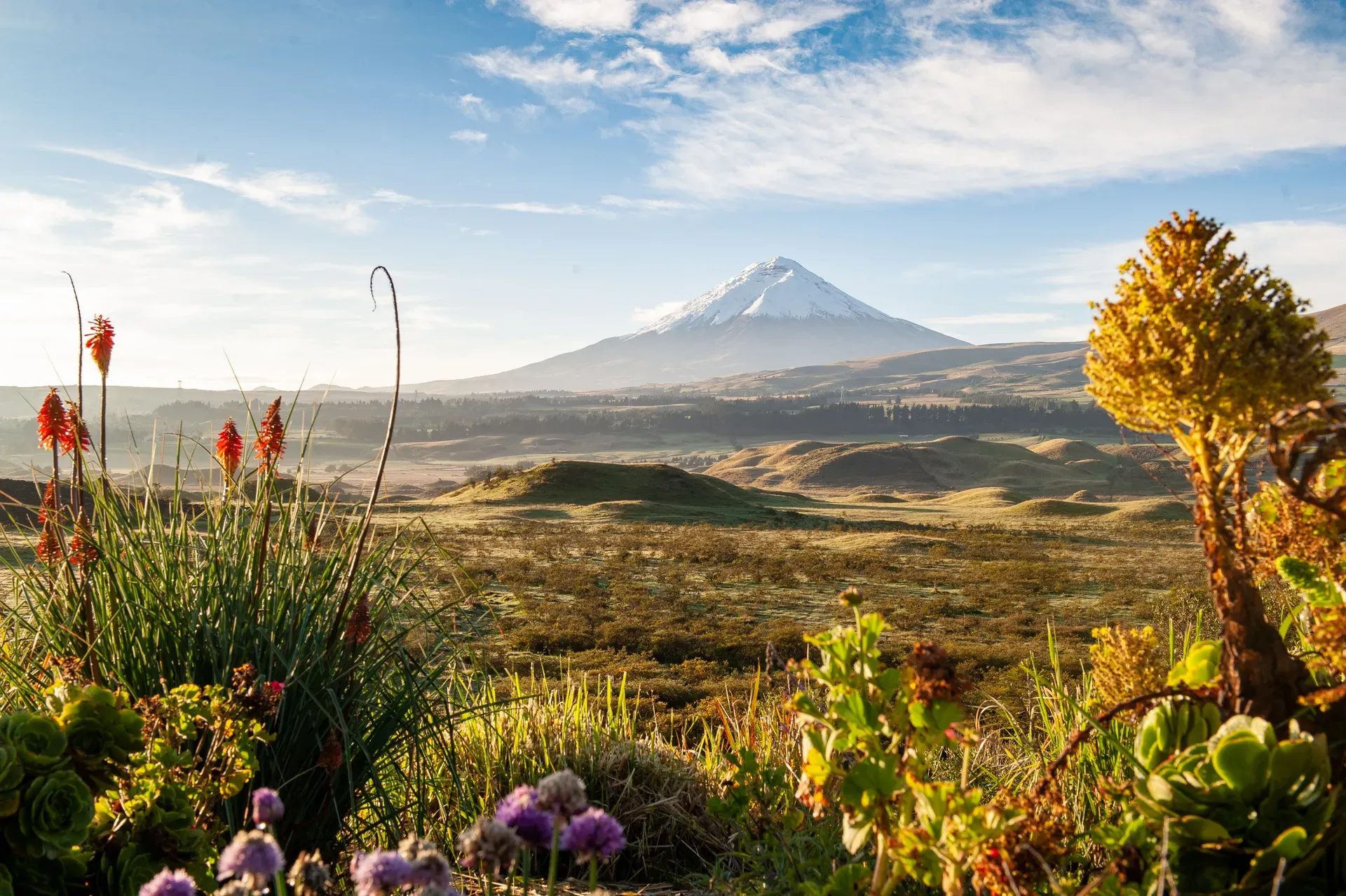
Cotopaxi National Park charges no entrance fee, requiring only a valid passport for registration at the gate. The north and south entrances open daily from 8:00 a.m. to 3:00 p.m.
Cotopaxi National Park opens its North and South gates daily at 8:00 a.m. Visitors must enter before the gates close at 3:00 p.m., though anyone already inside can stay until 5:00 p.m. or 6:00 p.m. Arrive early to see the 5,897-meter summit before late-morning fog obscures the cone.
| Day | Hours | Note |
|---|---|---|
| Monday–Sunday | 08:00–15:00 | Visitors already inside may remain until 17:00 or 18:00 |
The park operates normally during national holidays, but these dates draw heavy local crowds that congest the narrow mountain roads. Volcanic activity dictates unexpected closures rather than calendar dates. Minor eruptions and ash emissions forced temporary shutdowns in 2015, so always check current seismic alerts before traveling.
Entry to Cotopaxi National Park costs nothing. Visitors must present a valid passport or ID to a park ranger at the gate to register. Local guides wait at the entrance offering standard truck tours, and climbers attempting the 5,897-meter summit must purchase a permit through a licensed operator.
| Category | Price | Note |
|---|---|---|
| General Park Entry | Free | Passport or physical ID registration required at the gate |
| Standard Truck Tour (1 Person) | $50.00 USD | Hired directly from local guides at the park entrance |
| Standard Truck Tour (2 People) | $25.00 USD per person | Hired directly from local guides at the park entrance |
| Standard Truck Tour (3+ People) | $20.00 USD per person | Hired directly from local guides at the park entrance |
| Taxi-Truck (Highway to Park) | $15.00 - $30.00 USD | Requires cash in small denominations to pay drivers |
| Summit Climbing Permit | Variable | Must be acquired through a licensed tour operator |
General admission to the national park is completely free every day, provided you carry a physical passport for the mandatory gate registration.
Planning your visit to Cotopaxi? Find tours with free cancellation and skip-the-line options.
View All ToursThe optimal months to visit Cotopaxi are December through February, when low winds make summit attempts safer. Arrive on a weekday to bypass the large local crowds that congest the narrow mountain roads on weekends and national holidays. Heavy fog typically rolls in by late morning, obscuring the peak completely.
| Period | Crowd Level | Recommendation |
|---|---|---|
| Midnight (00:00–06:00) | Low | Guided climbers begin their 5,897-meter summit push under darkness to cross glaciated snow bridges before sunrise. |
| Early morning (08:00–09:00) | Low | Arrive at the 8:00 a.m. gate opening to secure clear views of the peak before the daily fog arrives. |
| Late morning (09:00–11:00) | Moderate | Thick clouds begin to obscure the volcano, making this the cutoff for starting the steep 45-minute hike to the José Ribas refuge. |
| Midday (11:00–15:00) | High | Expect heavy fog, potential freezing rain, and peak congestion on the narrow access roads during weekends. |
| Late afternoon (15:00–18:00) | Low | Entry gates close at 3:00 p.m., leaving only overnight campers and descending climbers inside until the final 6:00 p.m. exit time. |
A typical day trip from Quito requires 10 to 12 hours, absorbing the 50-kilometer commute and the slower pacing necessary at high altitudes. Your time inside the park hinges on whether you stick to the flat Limpiopungo Lagoon trail or tackle the steep ascent to the 4,800-meter José Ribas refuge. Plan to finish major hikes early, as heavy fog regularly obscures the volcano completely by late morning.
Enter the park gates right when they open at 8:00 a.m. Morning skies usually offer clear views of the 5,897-meter summit before heavy clouds and thick fog obscure the cone by late morning.
Schedule your trip between Monday and Friday to bypass long passport registration lines at the ranger station. Local tourists flood the narrow mountain roads during weekends and national holidays.
High-Andean weather shifts from hot sunshine to freezing rain in minutes. Bring a waterproof shell, fleece, gloves, and a wooly hat. Intense UV rays require polarized sunglasses and SPF 50+ sunscreen to prevent painful burns and temporary snow blindness, even under thick fog.
Public bus riders need exact change for the local taxi-trucks waiting at the Pan-American Highway turnoff. Drivers charge $15 to $30 to transport visitors past the 6-kilometer entrance road to the interior attractions.
Spend at least two days in the capital before ascending to the park's 3,500-meter entrance. The thin air at the 4,800-meter José Ribas refuge triggers acute mountain sickness rapidly. Pack two liters of water and immediately descend if severe headaches or nausea hit.
Entry is free. You must present a valid passport or ID to a park ranger at the gate to register. Long registration lines form on weekends and national holidays, so visit on a weekday to save time.
The North and South gates open daily from 8:00 a.m. to 3:00 p.m. Visitors already inside the park can remain until 5:00 p.m. or 6:00 p.m. Arrive right at 8:00 a.m., as thick fog and heavy clouds typically obscure the volcano by late morning.
Independent visits are permitted for driving the main roads or hiking around the 3,800-meter Limpiopungo Lagoon. Local guides wait at the entrance with trucks, charging $50 for a solo traveler or $25 per person for two. Summiting the 5,897-meter peak legally requires a certified local guide and a climbing permit.
Buses departing from Quito's Quitumbe Terminal toward Latacunga cost between $2.00 and $10.00. Ask the driver to stop at the El Chasqui turnoff on the Pan-American Highway. From this drop-off, local taxi-trucks charge $15 to $30 to drive you the remaining 6 kilometers to the park gate and main attractions.
Personal photography and video recording require no permit during normal park hours. You will need an official permit for commercial filming, professional shoots involving models, or using professional props. Keep a safe distance and do not disturb the semi-wild horses, llamas, or Andean gulls.
The José Ribas refuge at 4,800 meters sells hot cocoa and simple snacks. Options are extremely limited elsewhere in the park. Pack your own water, sandwiches, and energy bars before leaving Quito or Machachi to sustain yourself during steep hikes across the red volcanic scree.
Pets are strictly prohibited inside the park boundaries. Rangers enforce this rule to protect native wildlife, including Andean condors and deer, within the conservation refuge. Leave animals at home or arrange boarding in Quito before your trip.
Browse verified tours with free cancellation and instant confirmation.
Find Tours